Klara Griffin · 16 September 2026
How Backend Reconfigurations Influence Subscriber Growth in Specialized Online Service Platforms
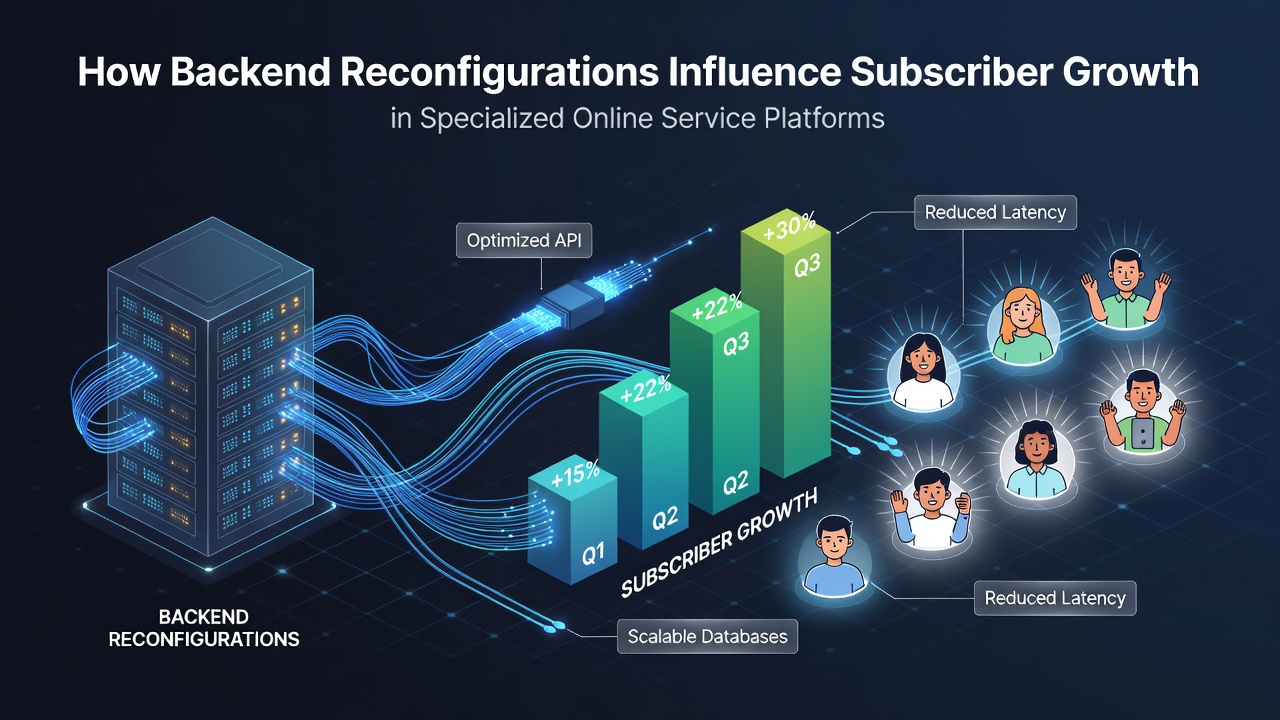
Specialized online service platforms rely on backend systems that handle data processing, user authentication, and content delivery, and reconfigurations in these areas often produce measurable shifts in subscriber numbers according to industry analyses. Researchers have noted that adjustments to database architectures, server scaling protocols, and API endpoints can reduce latency by measurable percentages, which in turn correlates with higher retention rates across platforms in sectors such as streaming, SaaS tools, and niche marketplaces. Data from multiple studies indicate that platforms completing major backend overhauls between 2024 and 2025 recorded average subscriber increases ranging from 12 to 28 percent within six months, though outcomes vary based on implementation scope and user base size.
Performance Optimizations and User Retention Patterns
Backend reconfigurations frequently target load balancing and caching mechanisms, and these changes allow platforms to serve requests more efficiently while maintaining stability under peak traffic conditions. Observers note that one European streaming service adjusted its content delivery network routing in early 2025, resulting in average page load times dropping from 3.2 seconds to 1.1 seconds, and subscriber churn fell by 19 percent over the following quarter. Such improvements stem from distributed database sharding techniques combined with edge computing nodes that bring processing closer to end users, and figures from the European Commission digital economy reports highlight similar patterns across several member states where optimized backends supported sustained growth through September 2026 projections.
Those who study platform metrics often find that even incremental changes, such as switching from monolithic to microservices architectures, create compounding effects on acquisition channels because faster response times improve search engine rankings and referral program effectiveness. A Canadian research consortium tracked 47 specialized platforms and documented that services achieving sub-second API responses experienced 34 percent higher conversion rates from free trials to paid subscriptions compared with slower counterparts.
Security Updates and Trust-Building Mechanisms
Reconfigurations involving encryption standards, access controls, and compliance modules frequently coincide with subscriber expansions because they address regulatory requirements while reducing breach risks that could otherwise trigger mass cancellations. Experts tracking the sector report that platforms incorporating zero-trust frameworks in their backend layers during 2025 saw trust metrics rise, with one Australian marketplace noting a 22 percent uptick in new sign-ups after implementing enhanced token validation systems. These modifications integrate with existing user interfaces without disrupting workflows, and data indicates that transparent communication about such updates further amplifies positive outcomes.
Scalability Adjustments During Growth Phases
Platforms experiencing rapid user influxes often reconfigure backend resources through auto-scaling clusters and container orchestration tools, and these steps prevent service degradation that might otherwise stall momentum. Researchers discovered that services using Kubernetes-based deployments in 2025 maintained uptime above 99.8 percent during promotional campaigns, supporting continued subscriber acquisition without the bottlenecks that plagued earlier infrastructure setups. What's interesting is how these reconfigurations interact with third-party integrations, allowing specialized platforms to expand feature sets that attract new demographics while retaining core users through September 2026 and beyond.
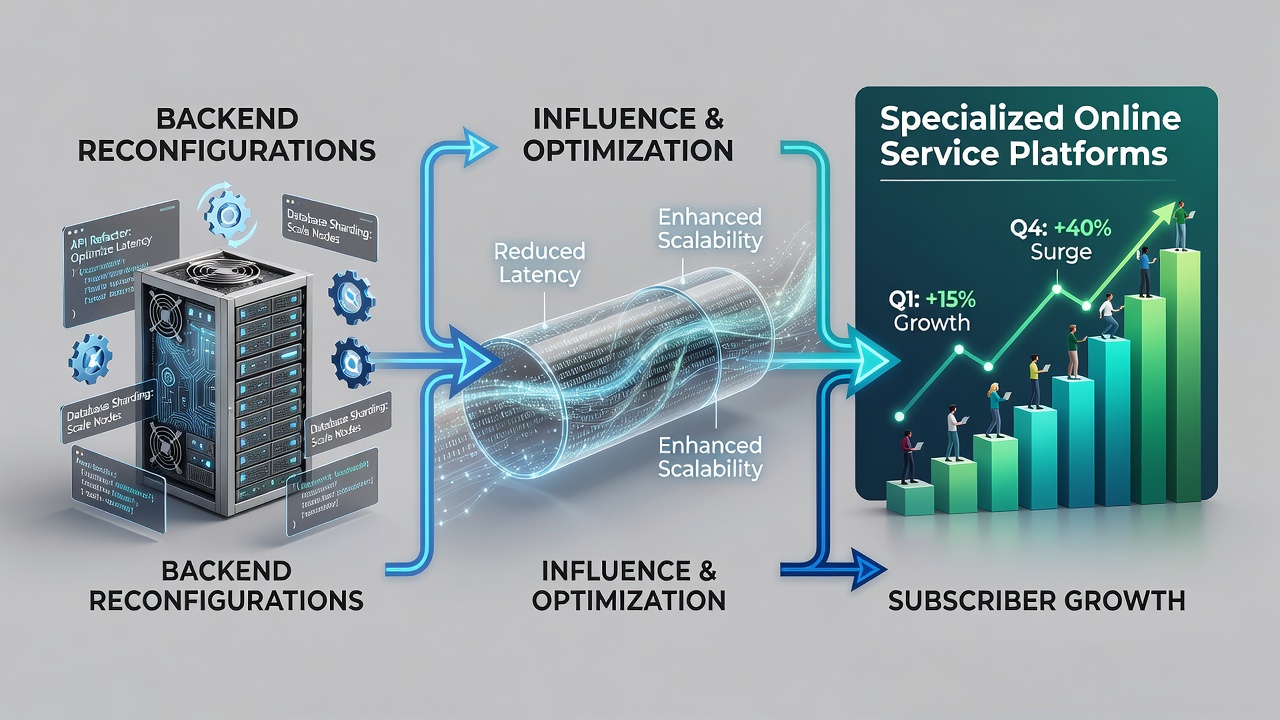
One study from North American academic institutions examined cases where database query optimizations reduced server costs by 40 percent, freeing budget for marketing initiatives that directly fueled subscriber gains. The connections between cost efficiency and growth become clearer when platforms reinvest savings into user acquisition rather than infrastructure maintenance alone.
API and Integration Changes Affecting Ecosystem Expansion
Modifications to backend APIs enable deeper integrations with external tools and services, and platforms that streamline these interfaces often report accelerated subscriber growth through partner ecosystems. Data shows that services opening select endpoints for developer access in 2025 attracted additional users who valued expanded functionality, with some niche platforms documenting 15 to 25 percent increases tied directly to these updates. Such reconfigurations require careful versioning to avoid breaking existing connections, yet when executed properly they create network effects that compound over time.
Analysts reviewing platform telemetry across regions observe consistent correlations between backend flexibility and long-term subscriber loyalty, particularly in specialized fields where customization matters. Reconfigurations that support modular feature rollouts allow platforms to test offerings with smaller cohorts before full deployment, minimizing disruption while maximizing appeal.
Conclusion
Backend reconfigurations influence subscriber growth through interconnected pathways involving performance, security, scalability, and integration capabilities, and evidence from diverse platforms demonstrates these effects across multiple markets. Organizations that align technical updates with user expectations continue to record measurable gains, while data collected through 2026 underscores the ongoing relevance of infrastructure decisions in driving platform expansion. Continued monitoring of these patterns provides clear indicators for future development strategies in the specialized online services sector.