Klara Griffin · 28 October 2026
How Wind-Driven Erosion Patterns Reshape Lichen Communities Along Isolated Highland Spines
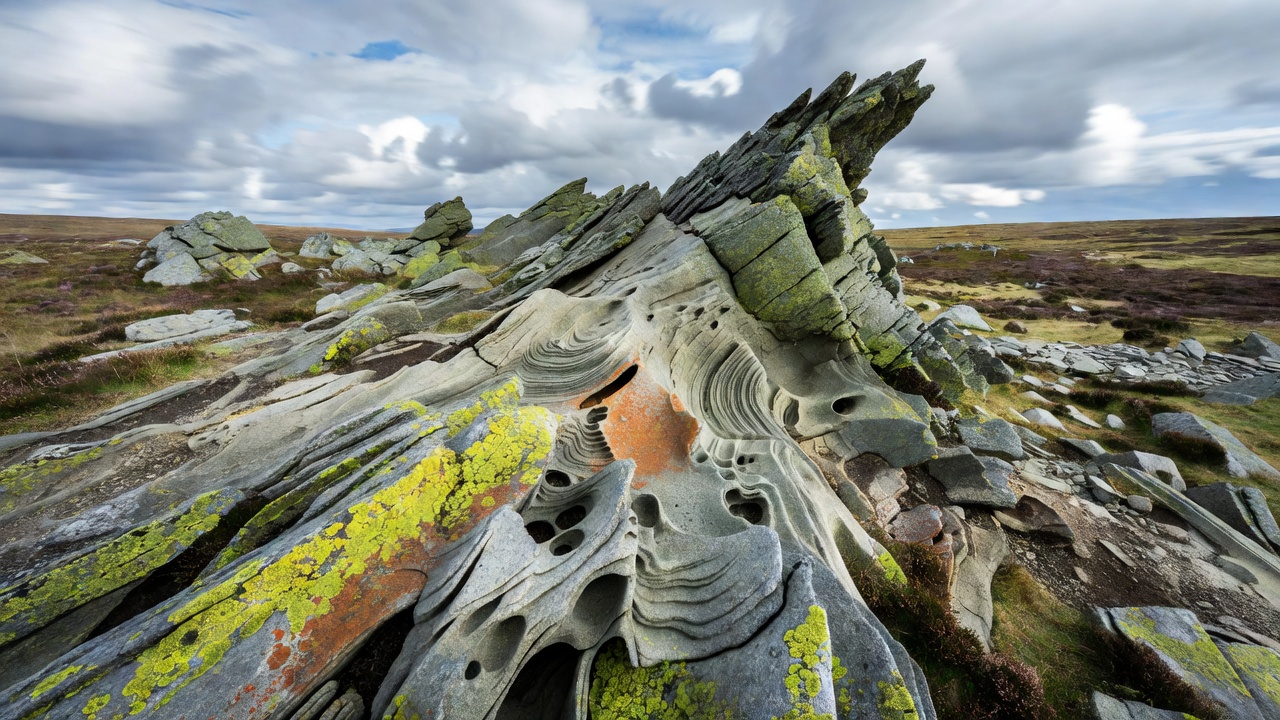
Wind-driven erosion carves exposed rock along highland spines, and this ongoing process creates new substrates while removing older surfaces that support established lichen growth. Researchers have documented these changes in mountain ranges from the Rockies to the Scottish Highlands, where consistent high-velocity winds strip away weathered layers and deposit fine particles that alter microhabitats. Data from long-term monitoring sites show that erosion rates increase during seasonal wind peaks, which in turn affects the distribution and composition of lichen species that depend on stable rock faces for attachment.
Mechanisms Behind Wind Erosion in Highland Environments
High winds accelerate abrasion when they carry sand and ice crystals against ridge crests, and this mechanical action exposes fresh mineral surfaces while deepening existing fissures. Observers note that isolated spines, which rise above surrounding terrain, experience amplified wind speeds because airflow compresses and accelerates over narrow summits. Studies conducted by geological teams indicate that these patterns concentrate erosion on windward slopes, whereas leeward sides accumulate finer debris that can bury or protect lichen thalli. According to findings from the Geological Survey of Canada, such differential erosion creates patchy habitats that favor certain crustose lichens over foliose forms in more exposed zones.
Seasonal freeze-thaw cycles combine with wind to enhance rock breakdown, and the resulting fragments become tools for further abrasion. Those who've studied alpine geomorphology report that this synergy produces a steady supply of new colonization sites, although it also dislodges established lichen colonies during intense storm events. Evidence from field measurements reveals that erosion intensity correlates with wind direction consistency, which shapes elongated patterns of bare rock interspersed with lichen patches along the spine axis.
Lichen Responses to Shifting Substrates
Lichen communities adapt to these dynamic conditions through rapid spore dispersal and vegetative fragmentation that wind can carry to newly exposed surfaces. Experts have observed that species with soredia or isidia gain advantages in wind-swept areas because these propagules travel efficiently across ridges before settling in sheltered crevices. Research indicates that wind also redistributes nutrients and moisture-trapping particles, which modifies the chemical environment on rock surfaces and influences lichen growth rates over successive seasons.
Take one monitoring project in the Australian Alps where teams tracked lichen cover before and after major wind events; the data revealed that certain Rhizocarpon species expanded onto freshly abraded rock within two years, while slower-growing Umbilicaria populations declined where substrate stability decreased. What's interesting is how wind patterns create corridors for gene flow between distant highland spines, allowing genetic exchange that maintains diversity even as local populations face repeated disturbance.
Observed Patterns Across Different Regions
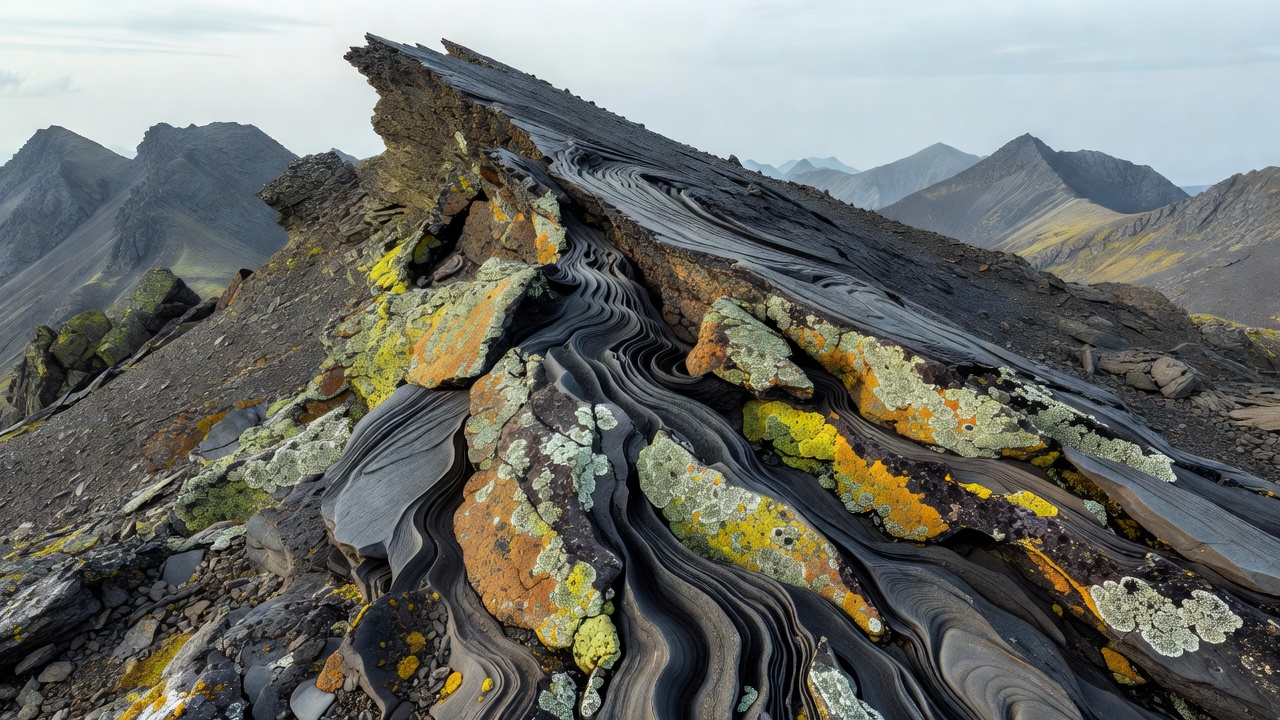
In the European Alps, long-term surveys conducted by research institutions show that wind-driven erosion has increased lichen species turnover along exposed spines compared with more sheltered plateaus. Figures from these studies reveal higher proportions of pioneer lichens on windward faces, whereas communities on leeward sides retain older, more complex assemblages. And in the Sierra Nevada of California, similar observations from university-led expeditions confirm that wind redistributes lichen fragments downslope, seeding lower elevations with species typically restricted to higher ridges.
Those who monitor these systems note that climate variations can intensify erosion when drier conditions reduce vegetation cover on adjacent slopes, exposing more material to wind transport. This feedback loop further fragments lichen habitats along spines, although some species demonstrate resilience through specialized attachment structures that withstand moderate abrasion. Data collected across multiple continents indicates that the overall effect is a mosaic of successional stages rather than uniform decline or expansion.
Interactions With Other Environmental Factors
Wind erosion does not act in isolation, and its effects interact with ultraviolet radiation exposure and temperature fluctuations that characterize highland spines. Researchers have found that newly exposed surfaces from erosion receive higher light levels, which can accelerate photosynthesis in surviving lichens but also increase desiccation risk during dry periods. Observers report that these combined stressors select for lichens with thicker cortices or more efficient water retention mechanisms along the most wind-exposed sections of ridges.
According to reports from the Australian Antarctic Division on subantarctic highland analogs, wind patterns also influence the arrival of non-native lichen species by carrying propagules across oceanic distances to isolated peaks. Such introductions add another layer of complexity to community restructuring, although native species often retain dominance through competitive advantages on local substrates.
Conclusion
Wind-driven erosion continues to modify lichen communities along isolated highland spines through substrate renewal, propagule transport, and habitat fragmentation. Monitoring programs across varied mountain regions provide consistent evidence that these geological processes maintain dynamic equilibria rather than static assemblages. Future observations will likely refine understanding of how these interactions evolve under changing atmospheric conditions, yet current data already demonstrate clear links between wind patterns and lichen distribution shifts.